
A Complete Guide to Erotic Enemas: Safety, Sensation, and How to Start
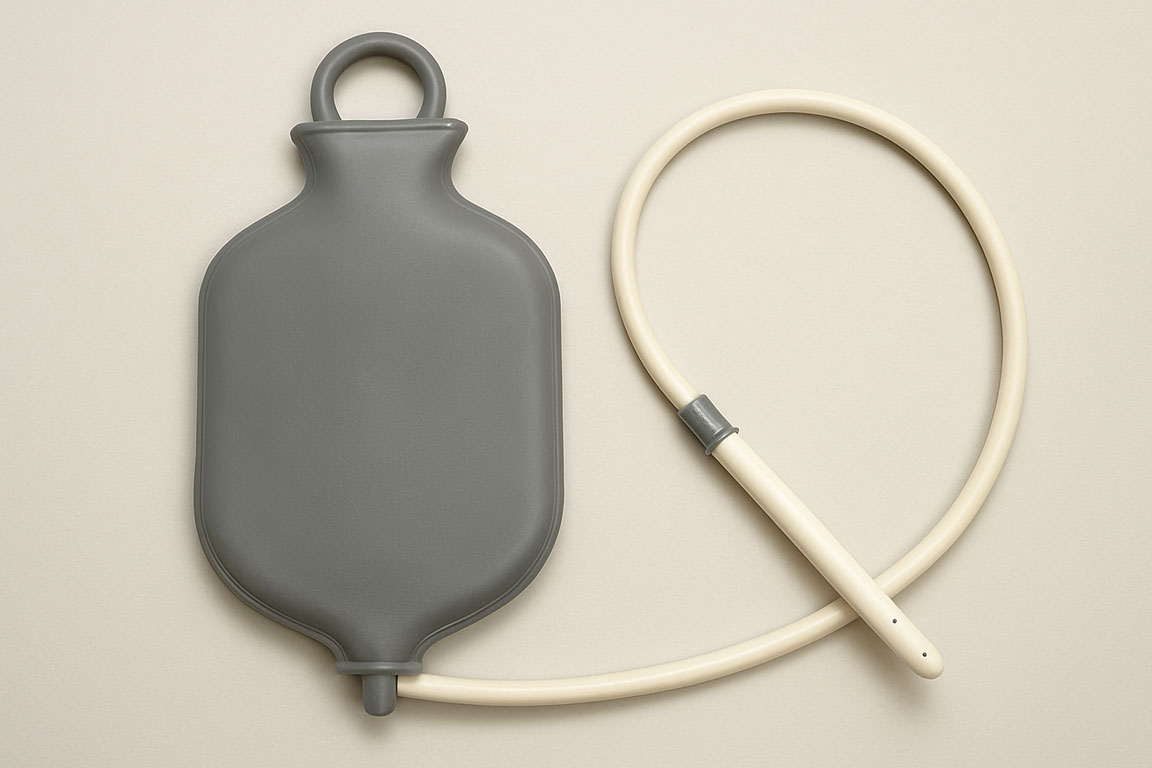
Enemas aren’t just something from old medical dramas or hospital prep. For some people, they’re part of anal sex preparation, a kink all on their own, or a ritual that makes them feel cleaner, calmer and more present in their body. If you’ve been quietly curious about enemas for sexual pleasure, you’re not alone — and you’re not weird.
This guide looks at enemas in a grounded, sex-positive way: what they are, why some people enjoy them, how to stay safe, and how to talk to a partner. It’s focused on harm reduction and consent, not telling you that you “should” be into anything. If enemas aren’t your thing, that’s completely valid. If they are, here’s how to explore them more safely.
What enemas are (and how they differ from “douching”)
An enema involves introducing liquid into the rectum through the anus, usually with a bulb or bag and a small nozzle. Medically, enemas are used to relieve constipation or prepare for procedures. In sexual and kink contexts, people usually use them as:
- Practical prep for anal sex or anal toys, to reduce anxiety about mess.
- Sensation or kink play, where the fullness, warmth and release are erotic in themselves.
You’ll also hear the term “anal douching”, especially in queer spaces. Douching usually means a small-volume rinse just inside the rectum, mainly for cleanliness. Enemas can include that, but may also involve larger volumes and deliberately lingering in the sensations.
If you’re brand new to anal in general, it can help to start with basics first — the anal section of Pegging for Men: Fantasies, Pleasure, and How to Talk About It walks through comfort, safety and communication in more detail.
Why some people enjoy erotic enemas
There isn’t one “type” of person who’s into enemas. People are drawn to them for different reasons, including:
Sensory pleasure
The rectum and anus are packed with nerve endings. The feeling of warm liquid entering slowly, the gradual fullness, and the eventual release can all be surprisingly intense. For some, that’s soothing and grounding; for others, it’s distinctly erotic.
Psychological and kink dynamics
For people into power exchange or clinical play, enemas touch themes of vulnerability, care and control. Being the person who gives or receives an enema can feel nurturing, dominant, submissive, or taboo — depending on the context you both agree on.
If you’re curious about the “why” behind kinks like this, you might also enjoy 20 Most Common Kinks (Explained Simply), which includes several that lean into power dynamics and psychological themes.
Feeling clean and relaxed before anal sex
For many, the interest is practical with a side of emotional ease. Knowing they’ve rinsed can reduce worry about mess, which makes it easier to relax into penetration, toys, or prostate play. Less anxiety often means more pleasure.
Safety basics you really need to know
Because enemas involve your digestive system and delicate internal tissue, safety isn’t optional. A few core principles:
- Use the right liquid. For most people, plain, body-temperature water is safest. Very hot or very cold water can cause cramping or injury; soaps, essential oils, perfumes and harsh chemicals can burn or irritate the lining.
- Be wary of “special” enemas. Coffee, herbal brews or DIY mixes are often promoted online. They’re not needed for erotic play and can carry extra risks. If in doubt, stick to plain water or commercially prepared products used exactly as directed.
- Watch the volume. The rectum doesn’t need to be filled to the brim. For erotic or prep purposes, many people find small volumes (e.g. 100–250 ml with a bulb) are plenty. Larger, high-volume enemas are more likely to cause discomfort and electrolyte issues.
- Limit frequency. Your bowel is self-cleaning. Frequent enemas can upset your gut flora and irritate the lining. Think of enemas as an occasional tool, not a daily requirement for being “clean enough”.
- Listen to your body. Intense cramping, sharp pain, bleeding, dizziness or feeling faint are all “stop now” signals. Empty, rest, hydrate, and seek medical advice if anything feels seriously wrong.
Avoid enemas or get medical advice first if you have inflammatory bowel disease, serious haemorrhoids, anal fissures, recent surgery, heart or kidney problems, or any condition that affects fluid or electrolyte balance.
If you’re nervous about saying no to any sexual activity — including anal or enemas — How to Tell Your Partner You Don’t Want to Do Something Sexually has concrete scripts and boundary tips.
Equipment guide: bulbs, bags and shower attachments
You don’t need a hospital trolley to get started. The most common options are:
- Bulb enemas. A soft bulb with a small nozzle. Good for beginners, quick rinses and small volumes. Easy to control and less intimidating.
- Bag enemas. A flexible bag that hangs up and delivers water by gravity. These hold more liquid and require more experience and care; they’re not usually a first step.
- Shower attachments. Kits that connect to your shower for continuous flow. These can be risky if misused (too much pressure or volume), so they’re best for people who already understand their body and the dangers. For newcomers, a bulb is usually more than enough.
Whatever you use:
- Apply lots of lube on the tip and around the anus (water-based lube tends to play nicest with most materials).
- Clean the equipment thoroughly after each use and allow it to dry completely.
- Inspect nozzles and tubing regularly for cracks, sharp edges or mould.
Step-by-step: how to perform a pleasure-focused enema
Everyone’s body is different, but this is a sensible starting outline you can adapt:
- Set up your space. You’ll want privacy, access to a toilet, towels, and time. Many people set up in the bathroom or very close by, with anything they might need (lube, wipes, water) within arm’s reach.
- Prepare the water. Use clean, body-temperature water. Test it on the inside of your wrist — it should feel warm but not hot.
- Fill and prime your equipment. Fill the bulb or bag, and if you’re using tubing, let a little water run through to remove any trapped air.
- Lubricate. Generously coat the nozzle and the anal opening with lube. Take your time; rushing is a good way to get tense and uncomfortable.
- Find a comfortable position. Common options include lying on your side with knees drawn up, or kneeling and leaning forward. Keep your breathing slow and soft.
- Insert the nozzle gently. Go slowly and adjust the angle if you feel resistance. It should not feel sharp or tearing. Never force it.
- Let the water in gradually. With a bulb, squeeze gently in short bursts. With a bag, keep it relatively low so the flow is gentle, not blasting. At the first sign of strong cramping or “too much”, pause and allow yourself to release.
- Hold if it feels okay. Some people enjoy holding the liquid for a few minutes; others prefer to release almost immediately. There is no magic “must hold for X minutes” rule unless you’re doing a medical prep under professional guidance.
- Empty on the toilet. Take your time; there may be multiple waves of release. Don’t strain — let your body do its thing.
- Repeat only if needed. Some people prefer two small rinses instead of one big one. Avoid chasing a totally empty feeling; the rectum always has a little bit of content and that’s normal.
You can fold enemas into a wider pre-sex ritual — shower, grooming, lube, toys — so it feels like part of getting ready rather than a separate, stressful task. If you like this idea of shared rituals, you might enjoy Sexual Check-ins: The Simple Habit That Keeps Intimacy Alive, which shows how small rituals can keep you feeling close.
Combining enemas with sexual play
For some, enemas are mostly about feeling clean and relaxed before anal penetration. For others, the enema itself is a central part of the scene: a kind of clinical or power-exchange play where one partner takes charge of the other’s body in a negotiated way.
A few practical timing tips:
- Schedule the enema well before penetration or toys — many people find 30–90 minutes gives their body time to settle.
- After you’re done, warm up slowly with fingers or small toys before moving to anything larger.
- In kink dynamics, agree in advance what’s allowed, what’s off-limits, and what safeword you’ll use. Enemas can feel surprisingly vulnerable.
For more help talking about boundaries and consent in kinkier contexts, see How to Share a Fantasy Without Embarrassment and How to Explore BDSM With Your Partner: Safe Steps, Scripts, and What to Expect.
Variations and advanced play (for later)
Once you’re familiar with your body’s reactions to basic, small-volume water enemas, some people explore more nuanced variations:
- Temperature play: slightly cooler or warmer water (still in a safe range) to tweak the sensations.
- Commercial saline rinses: products designed specifically for anal douching that can feel different to plain water when used as directed.
- Roleplay and ritual: nurse/patient scenes, medical exams, or service dynamics where giving or receiving an enema is part of the fantasy.
These are very much “optional extras”, not a requirement for “doing enemas properly”. If either of you feels overwhelmed, it’s perfectly okay to keep things purely practical or skip enemas entirely.
When enemas are a bad idea
There are times when enemas are best avoided or only done under medical advice, for example if you:
- have significant rectal pain, bleeding, or unexplained changes in bowel habits
- have been diagnosed with IBD, severe haemorrhoids, fissures or have had recent anal/rectal surgery
- experience strong dizziness, faintness or unusual symptoms during or after an enema
As always, if you’re unsure whether enemas are safe for you, a conversation with a healthcare professional beats guessing.
How to talk to a partner about enemas
Bringing up enemas can feel more awkward than suggesting a new position or toy. It helps to frame it as just another intimacy option rather than a weird confession.
Some possible openers:
- “Some people use small enemas as part of anal play, both for cleanliness and sensation. I’ve been a bit curious about that — how does it sound to you?”
- “If we ever explored enemas, I’d want to do it in a really careful, safety-first way and only if you genuinely wanted to try. Would you be open to reading about it together?”
- “I’ve realised I find the idea of giving/receiving an enema kind of hot. No pressure at all, but is that something you’d be okay talking about?”
If saying it out loud feels like too much, this is exactly the kind of thing Echo can help with. You both answer questions privately about kinks — including anal play, clinical play and other taboos — and only the overlaps are revealed. No one ever sees your one-sided yeses.
👉 Want to know if enemas or anal play are a secret mutual fantasy? Echo reveals only shared yeses — everything else stays hidden.
Try Echo — Explore Kinks Safely TogetherAftercare: body and emotions
Enemas can leave you feeling relaxed, floaty, tender or unexpectedly emotional. You’ve done something intimate with a sensitive part of your body, so it makes sense that you might need a bit of care afterwards.
- Physically: hydrate, rest, and stay near a toilet until you’re sure everything has settled. Notice any lingering pain or bleeding and seek help if something feels wrong.
- Emotionally: if you did this with a partner, check in. What felt good? What felt too much? What would you change next time?
- Relationally: offering reassurance — “you were safe, I was paying attention” — can be very grounding, especially in kink-flavoured scenes.
For more ideas on what aftercare can look like, see How to Explore BDSM With Your Partner, which includes a section on aftercare and emotional processing after intense scenes.
The bottom line
Erotic enemas sit at the intersection of practicality, sensation and kink. Some people will never want to go near them, and that’s completely fine. Others find they offer a mix of cleanliness, ritual, and intense sensation that really works for their body and brain.
Whatever your personal interest level, the fundamentals are the same: consent, communication and safety first. Start gently, use sensible equipment and plain warm water, respect your body’s signals, and be willing to stop if something feels off. Curiosity is healthy — and your wellbeing matters more than any particular practice.